
Loving Your Husband: The Friendship at the Heart of Marriage

In Titus 2:4, Paul instructs the older women to teach the younger women “to love their husbands.”
At first glance, this might seem obvious… of course a wife should love her husband. But the Greek word Paul uses here is fascinating: philandros; this comes from phileo, meaning warm, affectionate, friendship love, and aner, meaning husband. Even more fascinating? This is the only place in Scripture where wives are specifically told to love their husbands!

This isn’t the agapē love of 1 Corinthians 13, which portrays the steadfast, sacrificial love that chooses to remain faithful even when it’s hard. We are called to this as Christians. But here in Titus 2, the Lord is calling wives to a different type of love! Phileo is about companionship. It’s the kind of love that says, I like you. I enjoy being with you. It’s the joy of friendship woven into the covenant of marriage.

Sadly, in the whirlwind of responsibilities, the friendship side of marriage can fade. Affection can cool. We may find ourselves managing the household together but rarely laughing together. We can love our husbands without actually liking them. And that’s why Titus 2:4 matters. This is a call to nurture friendship in marriage, and not just commitment.


Practical Ways to Nurture Friendship Love

Phileo love is like a garden; it doesn’t grow accidentally and it needs consistent care and attention. Here are some ways to cultivate it in your marriage:

  1. Share unrushed time
    • It doesn’t have to be a “date night” with all the bells and whistles. Even 20 minutes over morning coffee, a shared bowl of ice cream after the kids go to bed, or sitting together on the couch without distractions can keep you connected.
  2. Laugh together often
    • Inside jokes, light teasing, or finding something silly to watch together can soften the edges of a hard day. Laughter has a way of dissolving tension and drawing hearts closer.
  3. Listen deeply
    • Give him your full attention, make eye contact, and ask questions. Show him you care about what matters to him, even if it’s a topic you don’t naturally enjoy.
  4. Speak with warmth
    • Words are powerful. Aim for a tone that’s gentle and kind, even in small daily interactions. A cheerful “I’m glad you’re home” can go further than you think.
  5. Participate in his world
    • Step into his hobbies or interests from time to time. Whether it’s watching his favorite sport, helping with a project, or learning about something he enjoys, it communicates that you value him.
  6. Surprise him with kindness
    • Slip a note in his lunch, make his favorite dessert, or do a task he normally handles. These small acts say, I see you. I like you.
  7. Pray for your attitude toward him
    • Friendship love grows best in a heart softened by God’s grace. Ask the Lord to help you delight in your husband and see him through God’s eyes.

Friendship in marriage isn’t built on big, rare gestures, but on the steady rhythm of affection, respect, and shared life. Even one intentional step today can breathe new warmth into your relationship.


Obstacles That Dull Affection

Life happens, and with it come roadblocks to phileo. Even strong marriages can face seasons where the friendship cools. Some common reasons include:

  • Unresolved conflicts – lingering hurt or bitterness that’s never addressed.
  • Chronic busyness – schedules so packed there’s no time to connect.
  • Emotional withdrawal – shutting down or keeping your thoughts to yourself.
  • Taking each other for granted – assuming your spouse will “always be there” without showing appreciation.
  • Harsh or careless words – repeated criticism or sarcasm that chips away at warmth.
  • Comparison – focusing on what you wish your husband was, instead of valuing who he is.
  • Neglecting fun – losing sight of playfulness and joy together.

Recognizing these obstacles isn’t about assigning blame… it’s about noticing what’s stealing the joy from your marriage so you can work, with God’s help, to restore it.

Recognizing these obstacles is the first step toward overcoming them. Often, they’re not fixed in a single conversation, but they can be slowly dismantled through prayer, repentance, and renewed effort toward connection.


When Affection Feels Hard

Sometimes, a wife might say, “But I don’t like my husband. He’s distant, or unkind, or we simply have nothing in common anymore.” If that’s you, know this: God sees you. You don’t have to pretend. But you also don’t have to stay stuck.

You can begin with tiny steps: pray for him daily, ask God to soften your heart, and aim for one small, pleasant interaction each day. These moments may feel insignificant, but they can become seeds that God uses to grow warmth again.


A Gentle Challenge

This week, choose one thing to do that nurtures friendship with your husband. Maybe it’s making his favorite dessert, watching a movie together, or simply putting your phone down when he walks into the room.

Marriage is a lifelong covenant, and at its best, it’s also a friendship worth protecting. Titus 2 reminds us that liking each other matters, and with God’s help, that kind of love can be cultivated, even in the busiest or most difficult seasons.
Anxiety and the Sovereignty of God: A Call to Trust

Anxiety is everywhere.
It’s the silent struggle that so many women carry behind smiles and busy schedules. It may feel like a relentless pressure in the chest, a mind that won’t rest, or a heart that anticipates the worst.

Our culture calls anxiety normal. It’s talked about as if it’s just a part of modern life. It is something to accept, manage, or medicate. And while there can be extreme cases where medical intervention may be appropriate, we must not ignore a deeper, more foundational truth:

Anxiety is first and foremost a spiritual issue.

As a board-certified mental health coach with a degree in psychology, I fully understand anxiety as a clinical diagnosis. I recognize the real psychological and physiological symptoms that many women face. There are times when professional help and even medication are necessary, especially in acute or trauma-related cases. But in most situations, especially for Christian women, anxiety reveals a deeper heart issue: a struggle to trust in God’s care, His provision, and His sovereignty. The world offers coping mechanisms. God offers transformation through trust in Him.

In Philippians 4:6–7, we read:

“Do not be anxious about anything, but in everything by prayer and supplication with thanksgiving let your requests be made known to God. And the peace of God, which surpasses all understanding, will guard your hearts and your minds in Christ Jesus.”

This is not a gentle suggestion. It is a command. “Do not be anxious about anything.” And it’s not a cruel or cold command, either. It’s a loving invitation from a Father who wants us to live free, grounded in peace that only He can give.

When we give into anxiety, we are often forgetting who God is.
We’re saying (even unknowingly), “God, I don’t believe You’re in control.”
Or, “I’m not sure You’ll take care of me.”
It is, at its core, a lack of trust in the sovereignty, goodness, and care of our Lord.

But Jesus gently reminds us of God’s faithfulness in Luke 12:24–27:

“Consider the ravens: they neither sow nor reap, they have neither storehouse nor barn, and yet God feeds them. Of how much more value are you than the birds!… Consider the lilies, how they grow: they neither toil nor spin, yet I tell you, even Solomon in all his glory was not arrayed like one of these.”

The birds don’t stress about their next meal. The flowers don’t worry about how they’ll bloom. And yet, God sustains them beautifully.

How much more will He care for you, daughter of the King?

Anxiety doesn’t shrink when we repeat positive affirmations.
It doesn’t dissolve with distraction or hustle.
It fades, truly and deeply, when we trust in the Lord with our whole heart (Proverbs 3:5).

So what can we do instead of worrying?

  • Pray honestly. Pour it all out before the Lord. Be specific. He already knows, and He cares.
  • Give thanks. Shift your gaze to what God has done. Gratitude will quiet fear.
  • Remember His character. He is sovereign. He is good. He is near.
  • Let go of control. You are not the savior of your home, your kids, or your future. He is.

When we do this, Philippians 4 tells us something amazing happens:

The peace of God will guard our hearts and minds in Christ Jesus.

Not just any peace, but the supernatural, divine peace that doesn’t make human sense.


Sister, you were not made to live in fear.
You were made to walk in peace. Our peace does not come because our life becomes predictable and easy, but because God is unshakable.

If you’re weary from carrying anxiety alone, let’s talk.
At A Fruitful Home, I help women like you walk through fear with faith, grounded in Scripture, guided by truth, and rooted in God’s love.

Reach out anytime for biblical coaching, for wives, moms, and women desiring the peace of Christ.


You are seen. You are valued. You are held in the palm of our Father’s hand.
Let the birds remind you. Let the flowers preach.
He is faithful.

The Radical Strength of a Godly Wife

Today, my family sat down to read 1 Peter, chapter 3. It’s not the first time my daughters have heard this chapter, and yet, as we read it again, I could still see them bristle, especially about verses 1-2:

“Likewise, wives, be subject to your own husbands, so that even if some do not obey the word, they may be won without a word by the conduct of their wives, when they see your respectful and pure conduct.” -1 Peter 3:1-2

It’s a hard saying. And let’s be honest: it cuts across everything our culture holds dear. In a world that teaches women to push back, fight for control, and never yield an inch, this passage sounds foreign, and even offensive.

And yet, God’s Word is always true. Always good. Always just.

Even when it confronts our flesh.
Even when it contradicts the world.
Even when it makes us uncomfortable.

When we live according to God’s ways, however hard or countercultural, they always lead to joy, peace, and life.


The Quiet Power of a Godly Wife

1 Peter 3:1-2 isn’t about women being weak, or voiceless, or less valuable than men. It’s not about ignoring sin or becoming a doormat. It’s about strength under control. It’s about the inner life of a woman who walks so closely with Jesus that her presence preaches louder than her words.

Peter is speaking to wives whose husbands “do not obey the word”, so in other words – men who are spiritually hard or indifferent. He doesn’t tell these women to nag, argue, or manipulate. He tells them to let their conduct speak. To let their respectful and pure behavior bear witness to the beauty of Christ.

That kind of strength…Christlike strength…has the power to melt even the hardest heart.


It Goes Against Our Flesh

Submission is a word we’ve tried to erase from modern vocabulary. It feels like weakness. It grates against pride. It stirs up every worldly instinct that says, “I shouldn’t have to do this.” “I deserve better.” “I’m smarter than him, so why shouldn’t I lead?” “I’ll submit to him when he starts treating me better.”

Even my girls, who have heard this teaching since infancy, feel it. I felt it so strongly myself as a young woman, and I still struggle against it at times today. The flesh resists God’s design. But the Spirit reminds us: His design is for our good.

Submission is about trusting God enough to live His way, even when it’s hard. It’s about modeling the heart of Christ, who humbled Himself and entrusted His future to the Father (1 Peter 2:23). It is not about waiting until your husband deserves your respect and submission, but rather submitting to him as unto the Lord. This is about obedience to Christ.


A Word of Caution—and Hope

Let me be very clear: This does not mean staying physically present in an abusive situation. If you are fearing for your physical safety, then leaving for a time may be necessary, and this is not a betrayal of submission. If you find yourself in this situation, please go to your church elders and ask for help!

But for the many women who are walking through difficult, spiritually dry marriages, this verse offers real hope. You don’t have to fight for control. You don’t have to change your husband with well crafted arguments and convincing words. It’s not about making sure you say just the right thing to make him change. You can honor God by simply walking in obedience, cultivating inner beauty, and trusting that your conduct is a tool in God’s hands.

You do not have the power to change your husband by outward force. But you do have the power to walk by the Spirit in your own life.


Let Your Life Preach

If you’re a wife walking this road, take heart. God sees you. Your faithfulness is not in vain. Your dignity and gentleness are not unnoticed.

  • You are not powerless.
  • You are not forgotten.
  • You are not without influence.

You are living a quiet sermon to your spouse and children, and God may use it to transform a heart.

Keep walking in His ways, even when it’s hard. Especially when it’s hard.

Because God’s way is always best.

Book Review: War of Words by Paul David Tripp

How the Gospel Transforms Our Speech and Restores Our Relationships

As a Christian coach and counselor, I’ve sat with countless women in the midst of relational heartache. There are wives struggling to communicate with their husbands, mothers overwhelmed by tension with their children, and friends drifting apart because of unresolved words. In all these situations, there’s a common thread: communication gone awry.

That’s why War of Words by Paul David Tripp felt so refreshing to my soul. Not only did I find it theologically rich and practically wise, but I also found myself thinking, “This could solve so many of the problems I’ve encountered over the years as a ministry wife.”

Whether you’re in a messy season or just want to grow in godly communication, this book is a treasure chest of insight and hope.


Words Belong to God

From the very first chapter, Tripp reorients our view of communication. Words aren’t just tools we use however we please. Our words belong to God. He created language, and He intends for us to use our speech as His ambassadors. That truth alone shifts the weight of how we think about conflict, correction, or even casual conversation.

One of Tripp’s foundational insights is that “word problems are really heart problems.” When we speak harshly, manipulatively, or impatiently, it’s not just a slip of the tongue, but rather it’s a window into the deeper affections of our hearts.


Gospel-Centered Conversations

Tripp doesn’t give a list of quick fixes or communication techniques. Instead, he invites us to walk in gospel transformation, speaking with grace and humility as people who have been redeemed.

Each chapter unpacks Scripture deeply, like Ephesians 4 and 2 Corinthians 5, and ties it directly to our daily interactions. He shows how our words can either build up or destroy, and how repentance, forgiveness, and the pursuit of reconciliation must saturate our speech.

What struck me most as a long-time believer is how personally convicting and encouraging this book was. Despite decades of walking with Christ, I found so many ways I needed to bring my speech under the Lordship of Jesus, especially in the moments of tension, impatience or misunderstanding.


Practical Help for Real-Life Conflict

As a coach, I’m often searching for resources I can confidently recommend to women navigating conflict. War of Words is now one of the top books on my list. Tripp includes:

  • 11 gospel-driven steps to win the “war of words”
  • Real-life stories (often humorous and humbling) from his own marriage and ministry
  • Reflective questions at the end of each chapter for deeper application
  • Tools for confessing sinful speech patterns and embracing new ones rooted in the Spirit

What makes this especially helpful is how practical yet theologically grounded the book is. You can feel the biblical conviction in every chapter, but you also walk away knowing how to change.


A Few Golden Nuggets

Here are just a few truths I’ve carried with me:

  • “Words belong to God, but he has lent them to us so we can know him and be used by him.”
  • “God calls each of us to live and speak as his ambassadors. We are on the job 24 hours a day.”
  • “My words are always an expression of the abundance of what rules my heart.”
  • “Peace in relationships doesn’t come from silence. It comes from redeeming talk.”

Isn’t that powerful?


Why This Book Matters for Christian Women

So many of the wives and mothers I coach are hurting. They’re hurting not just because of what was said to them, but because of how long those words have remained unhealed. War of Words helps untangle these deep knots with truth and grace.

And it’s not just for “other people.” Even as a woman who counsels others, I was deeply convicted. This book helped me:

  • Reflect on my tone with my husband and kids
  • Repent of careless or defensive speech
  • Renew my desire to be an ambassador of grace, even in hard conversations

Final Thoughts

War of Words is a must-read if you’re serious about letting God sanctify your speech. Whether you’re navigating marital conflict, parenting challenges, or even tension in friendships, Tripp’s gospel-centered wisdom will guide you.

It’s a book I’ll be returning to again and again – not just as a counselor, but as a fellow pilgrim in this world being shaped by grace.

If you’re in a season of relational tension, or if you simply want your words to reflect the heart of Christ more clearly, please consider this book. It just might change your home, your relationships, and your walk with our Savior as ambassadors to this dying world.

Book Review: Grace Is Free by Marci Preheim

A Gentle Wake-Up Call to Grace

As Christian women, many of us are familiar with the unspoken pressure to “do more” for God. Whether it’s through rigorous Bible studies, hospitality, parenting, modesty, or ministry, we sometimes fall into the subtle trap of measuring our worth by how well we perform spiritually. Grace Is Free by Marci Preheim is a breath of fresh air for the weary soul striving to “measure up.” In this short yet powerful book, Preheim dismantles the lie that we must earn God’s favor, and replaces it with the freeing truth of the gospel.

Preheim writes with a voice that feels both tender and wise, like a trusted friend who knows your struggle and wants to help you lay it down. Drawing from her personal journey out of legalism and performance-based religion, she invites us into the radical freedom of God’s grace. Her message is clear: the Christian life is not about earning our way to heaven, but about walking daily in faithful obedience because we are already loved and accepted by God. Yes, your faith will exhibit itself in good works, but we mustn’t get the order wrong. Works cannot save us and works don’t come before faith. Rather it is faith that saves and then produces good works through grace.

One of the most powerful aspects of this book is its simplicity. Preheim doesn’t overload the reader with theological jargon or long doctrinal discourses. Instead, she gently exposes how perfectionism, people-pleasing, and religious pride can become spiritual bondage, even in Christian circles. She encourages women to discern between man-made rules and the true leading of the Holy Spirit.

God administers his power only through human weakness. So we need to step back and examine what our activities say about our faith: are we trusting in ourselves or God? Christian activity is often blindly fueled by human strength and therefore is powerless……”I can make myself better”…is the same individualistic lie the world promotes: do better, discipline yourself more, choose your own destiny, be somebody. But the gospel is a gift given to sinners who humble themselves before an almighty God, surrender to his plan, and gratefully receive the sacrifice he made on the cross to pay for their sins.

This book is especially liberating for women who feel trapped in comparison: those who constantly evaluate themselves against other women’s marriages, ministries, appearances, or Instagram-worthy “quiet times.” Preheim reminds us that God’s standard is not other women – it’s Jesus. And through Christ, we already meet the standard.

As she writes, “The gospel is not a call to self-improvement. It’s a call to die to ourselves and live in the grace of Jesus.” That shift, from performance to grace, can transform the way we approach our marriages, our motherhood, our service, and our spiritual walk.

Reading Grace Is Free feels like taking a deep, gospel-saturated breath. It encourages us to let go of the burdens we were never meant to carry and trust that the Lord, in His kindness, is the one guiding our steps. It doesn’t call us to complacency, but to restful faithfulness… daily, grace-filled steps led by a loving God.

If you’ve ever found yourself exhausted from trying to be “enough” for God, or silently wondering if you’re doing Christianity “right,” this book will speak to your heart. It’s not a self-help manual. It’s a call back to the foot of the cross, where grace flows freely and endlessly for those who have been transformed by the gospel.

Final thoughts: If you struggle with a performance mindset, or perfectionistic tendencies, then this book is for you. Grace Is Free is for every Christian woman who needs the reminder that God’s love is not earned but rather it’s received. And the life we live in Christ is not one of striving, but one of surrender.

Doing What Matters Most

The Sacred Power of Biblical Homemaking

In today’s fast-paced world, homemaking is often viewed as outdated or insignificant. But in God’s economy, the home is a place of eternal influence and the woman who builds it walks in a deeply powerful calling. Whether you earn an income outside the home or not, as a Christian woman, the home is the heart of your calling.

“The wisest of women builds her house, but folly with her own hands tears it down.”
Proverbs 14:1

Homemaking is not about “doing less” with your life. It’s about doing what matters most: creating an environment where love, truth, beauty, and discipleship flourish. It is one of the most underappreciated but eternally significant callings a woman can embrace.


God’s Design for Homebuilding

God has given women a unique ability to nurture life, set the tone of a household, and cultivate a space where faith can be formed and family can flourish.

“…train the young women to love their husbands and children, to be self-controlled, pure, working at home, kind, and submissive to their own husbands, that the word of God may not be reviled.”
Titus 2:4–5

The phrase “working at home” isn’t about confinement…it’s about calling. The home is a sacred workshop of God’s grace, and women are appointed as guardians of that sanctuary. This doesn’t mean a woman can never earn income or use her gifts, but it means her heart is anchored at home, building a legacy of faith and fruitfulness. This is not a demeaning calling but one of utmost importance for you, your husband, and your children!


Homemaking Is Kingdom Work

When you wipe noses, teach manners, manage meals, fold laundry, or pray over your children at night, you are not wasting your time. You are shaping souls, and training future leaders. When you provide a nourishing meal and a peaceful atmosphere for your husband to return to after spending hours at work, you are reflecting the self-giving love of Christ.

“She looks well to the ways of her household and does not eat the bread of idleness. Her children rise up and call her blessed…”
Proverbs 31:27–28

Your labor in the home is not small; it is eternal. Your faithfulness in the unseen rhythms of life becomes a generational legacy. The seeds you sow now will bear fruit in your children, your grandchildren, and beyond.


The Generational Ripple Effect

Think of the godly grandmother who prayed for her family daily. Or the mother who taught her children the Scriptures at the kitchen table. Their homes became greenhouses of faith; places where hearts were warmed toward God and lives were forever changed.

“I am reminded of your sincere faith, a faith that dwelt first in your grandmother Lois and your mother Eunice…”
2 Timothy 1:5

When a woman devotes herself to homemaking under God’s design, she becomes part of a holy legacy. Her influence often outlives her. What she builds by faith today, others will walk in tomorrow.


Encouragement for the Weary Homemaker

If you ever feel unseen, exhausted, or tempted to chase worldly approval, remember this:

  • God sees your quiet faithfulness (Hebrews 6:10).
  • Your work is sacred, even when it feels small.
  • You are not just cleaning up messes – you’re cultivating hearts.
  • You are not just preparing meals – you’re nourishing generations.

When Your Heart Is at Home (But Your Work Is Outside It)

To the Christian woman who contributes to the income of her home, whether full-time, part-time, from home, or in the workforce, and yet whose heart aches for the rhythms of homemaking: God sees you too.

This tension between financial provision and presence at home is not unnoticed by the Lord. He knows your desire to be more available to your family, to linger at the table, to shepherd your children more closely, to pour yourself into the sacred work of the home. I encourage you to commit this to prayer and to share these desires with your husband.

“Commit your work to the Lord, and your plans will be established.”
— Proverbs 16:3

Even now, God is weaving your faithfulness into something beautiful. You may not always feel the balance, but His grace fills the gaps. Your home is still a sacred space, and your efforts, both at work and at home, are not in vain.

So walk in confidence, knowing that whether your hands are busy with spreadsheets or supper, your heart is still building a legacy of love.


Closing Thoughts

Biblical womanhood and homemaking are not lesser callings. They are God-given, Spirit-empowered missions that echo into eternity. Let’s reclaim the beauty of building homes with wisdom, love, and purpose.

“Unless the Lord builds the house, those who build it labor in vain.”
Psalm 127:1

Dear sister in Christ, don’t believe the lie that you’re “just a homemaker.”
You’re a legacy builder, a faith planter, and a vessel of eternal influence.

***Is this an area of struggle, overwhelm, or disappointment for you? Consider reaching out for Biblical coaching or mentoring, where I can walk alongside you to cultivate joy in this calling and to help you fulfill God’s purposes in your life.


Why Gospel-Centered Coaching is Far More Effective Than Secular Alternatives

In a world overflowing with advice, self-help books lining every shelf, podcasts offering step-by-step fixes, TED talks inspiring change, and an endless stream of coaching, therapy, and counseling programs, it can feel overwhelming to discern which voices are truly worth listening to. Our culture promises quick answers and instant results, yet so often, those solutions feel shallow or short-lived.

Many women, especially wives and mothers, find themselves worn thin from the demands of modern life, juggling family, marriage, work, ministry, and personal struggles, while quietly wondering where to turn for real help. In these moments of weariness or confusion, it’s natural to seek guidance. Coaching or counseling can seem like a lifeline, a way to regain peace, clarity, or healing. But not all guidance leads to the same destination.

As Christian women, we must pause and ask a critical question: Are the solutions we’re seeking truly rooted in God’s unchanging truth—or are they built on the shaky foundation of man-made wisdom?

Secular Coaching: Practical, but Superficial

Secular coaching and counseling often offer some genuinely helpful tools, like time management tips to organize our days, communication strategies to improve relationships, stress-reduction techniques to calm our minds, or boundary-setting frameworks to protect our emotional energy. These approaches can feel effective, especially in the moment, because they speak to the immediate, practical needs we all face.

But here’s the problem. While these tools may provide short-term relief, they rarely touch the root of the issue. They often address surface-level behaviors or external circumstances without ever digging into the deeper spiritual and emotional struggles that lie beneath. Things like fear, pride, unforgiveness, idolatry, or misplaced identity can’t be resolved through techniques alone.

Why is that? Because secular wisdom, no matter how polished or popular, is powerless to change the human heart. It might help someone appear more functional or emotionally stable on the outside, but true, lasting change must come from within, and only the gospel has the power to do that. Secular coaching can teach us what to do, but it can’t tell us who we are in Christ. It focuses on behavior modification, not heart transformation. It points us inward for strength, rather than upward to our Savior.

At its core, secular coaching is built on the belief that the solution is within you. But as believers, we know the truth: the solution is Christ in you, apart from whom we can do nothing (John 15:5).

Biblical Coaching: Rooted in the Gospel, Centered on the Heart

Biblical coaching and counseling go beyond surface fixes and get to the root of the issue which is the condition of the heart. It doesn’t just aim to make life more manageable; it seeks to make us more like Christ. This kind of help is anchored in the eternal truth of God’s Word, not in shifting cultural trends or the latest psychological theories. It’s not about becoming a “better version” of yourself, but about becoming who God created you to be through the sanctifying work of the Holy Spirit. The good news that Jesus came to rescue and redeem our brokenness, not just manage it, should be central to the help we’re seeking.

  • Where secular coaching says, “Believe in yourself,” Biblical coaching says, “Deny yourself and follow Christ” (Luke 9:23), and to “trust in the Lord and not your own understanding”. (Proverbs 3:5).
  • Where secular wisdom offers affirmations, Scripture offers real transformation.
  • Where culture says, “Follow your heart,” God says, “The heart is deceitful” (Jeremiah 17:9) and “Guard your heart, for from it flow the springs of life” (Proverbs 4:23).
  • Where the world says, “Manifest your goals”, Scripture calls you to “seek first the kingdom of God” (Matthew 6:33).

True, lasting change only comes when our hearts are changed by the gospel. Mic drop. Period. That’s the key difference. Biblical coaching doesn’t just ask, “What do you want?” It asks, “What does God want for you?” And then it walks alongside you in grace and truth to pursue it.

Gospel-Focused Solutions Lead to Lasting Fruit

When you pursue gospel-centered help, you’re not just learning to survive your circumstances. You’re learning how to glorify God in the midst of them. You’re not just coping with your anxiety. You’re learning how to cast your cares on the Lord (1 Peter 5:7). You’re not just managing your marriage. You’re being transformed into a wife who models Christlike love, humility, and grace.

That kind of change doesn’t come from willpower, positive thinking, or well-crafted life strategies. And it doesn’t come from pop psychology, or tips, tricks and life hacks. It comes from the Holy Spirit who has the power to change our life, and that’s something no secular coach or counselor can offer. Gospel-centered coaching recognizes that our struggles are not merely mental or emotional, but rather spiritual. Christian coaching helps uncover what we believe about God, ourselves, and others, and aligns those beliefs with Scripture. It lovingly challenges the lies we’ve internalized and replaces them with truth. It doesn’t settle for behavior change alone; it seeks heart change that leads to fruit that lasts (John 15:5).

The good news is that Jesus not only saves us but sanctifies us, shaping us more and more into His likeness.

The Help You Seek Matters

Jesus said, “Apart from me you can do nothing” (John 15:5). That wasn’t just a statement about ministry or spiritual work—it’s a truth that applies to every area of our lives, including the help we seek when we’re hurting, confused, or overwhelmed. Coaching, counseling, personal growth… none of it produces lasting fruit unless it’s rooted in Christ.

If we truly want healing that reaches our wounds, growth that produces godliness, and change that endures through every season, then we must turn to the One who created us, knows us, and transforms us from the inside out. We don’t need strategies that simply polish the surface. We need solutions anchored in the gospel. A truth that reshapes our hearts and minds in light of who Jesus is and what He has done.

So whether you’re navigating tension in your marriage, battling anxiety and burnout in motherhood, or simply feeling spiritually stuck—don’t settle for self-help solutions that can’t reach the heart. Seek gospel-centered coaching that will walk with you in truth and grace, pointing you back to Christ at every step.

That’s exactly why I offer Christian coaching through A Fruitful Home. I seek to come alongside women like you with biblically grounded support, prayerful encouragement, and practical wisdom rooted in the Word of God. Whether you’re looking for one-on-one guidance, marriage support, or help reclaiming peace and purpose in your home and heart, I’d love to walk with you.

Because the truth is:
You don’t need more tips.
You need more of Jesus.

Let Him be your source. Let His Word be your foundation. And let your transformation be one that brings glory to God.

The Healing Power of Forgiveness: A Biblical and Mental Health Perspective

Forgiveness is one of the most powerful acts we can engage in—not just for others, but for ourselves. As Christians, we are called to forgive just as God forgave us through Christ. But what many don’t realize is that forgiveness also has profound benefits for our mental and emotional well-being.

Let’s explore how practicing forgiveness can bring peace, healing, and restoration, not only in our relationships, but deep within our hearts.


1. Forgiveness Reduces Emotional Burdens

When we hold on to bitterness or resentment, we carry a heavy emotional load. Unforgiveness often leads to chronic stress, anxiety, and even depression. We replay the hurtful event in our minds, feeding anger and pain. Over time, this can lead to emotional exhaustion and hinder our ability to live joyfully.

But when we forgive, we release that burden.

“Come to me, all who labor and are heavy laden, and I will give you rest.”
Matthew 11:28

Jesus invites us to lay down every burden, including the pain caused by others. Forgiveness doesn’t excuse wrongdoing, but it frees us from being emotionally shackled to the offense.


2. Forgiveness Improves Physical and Mental Health

Studies in psychology and neuroscience have shown that forgiving others is linked to reduced blood pressure, improved heart health, and lower levels of stress hormones like cortisol. Mentally, it contributes to fewer symptoms of anxiety, depression, and PTSD.

Forgiveness creates space for peace, clarity, and hope to grow.

“A tranquil heart gives life to the flesh, but envy makes the bones rot.”
Proverbs 14:30

When we let go of the emotional toxins of bitterness and unforgiveness, our bodies and minds respond in kind with peace and restoration.


3. Forgiveness Strengthens Relationships

None of us are perfect, and we all fall short at times. Relationships thrive not because we never hurt one another, but because we learn to extend grace. Forgiveness opens the door to reconciliation and healthy communication.

“Bear with each other and forgive one another if any of you has a grievance against someone. Forgive as the Lord forgave you.”
Colossians 3:13

Forgiving doesn’t mean staying in harmful situations or condoning abuse. But it does mean choosing to release the offense to God and allowing His healing work to begin in our hearts.


4. Forgiveness Aligns Us with God’s Heart

At the very center of the gospel is forgiveness. God in His mercy forgave us, even while we were still sinners (Romans 5:8). When we forgive others, we are living out that same love and grace.

“Be kind to one another, tenderhearted, forgiving one another, as God in Christ forgave you.”
Ephesians 4:32

Forgiveness is a spiritual discipline that matures our faith, softens our hearts, and makes room for the Holy Spirit to work deeply in us.


5. Forgiveness Sets You Free

One of the greatest misconceptions is that forgiveness is a gift for the person who wronged us. In reality, it’s a gift we give ourselves. Choosing to forgive allows us to step out of the prison of offense and bitterness, and into the freedom of grace and peace.

“It is for freedom that Christ has set us free. Stand firm, then, and do not let yourselves be burdened again by a yoke of slavery.”
Galatians 5:1

Unforgiveness binds us to the past. Forgiveness sets us free to live fully in the present and look ahead with hope.


A Gentle Encouragement

Forgiveness is not always a one-time event. Sometimes it’s a process that we must revisit in prayer, through God’s Word, and with trusted support. You don’t have to walk it alone. If you’re struggling to forgive, ask God to help you. Seek wise counsel. And remember, healing is possible because God is the great healer.

At A Fruitful Home, we walk alongside women who are ready to release what no longer serves them and embrace the peace and purpose God has for them. If you’re ready to begin your healing journey through forgiveness, we’re here to support you in faith, truth, and love.


Let’s pray:

Father God, thank You for the gift of forgiveness through Your Son Jesus Christ. Help us to forgive others as You have forgiven us. Heal the wounded places in our hearts and free us from the weight of bitterness. Fill us with Your peace and renew our minds with Your truth. In Jesus’ name, Amen.


You are loved. You are seen. And with God, you are free to forgive.

Want to go deeper? Schedule a 1:1 Christian coaching session and begin your journey toward freedom and peace.

Rainy Day Rescue: Low-Energy, Screen-Free Ideas for Kids at Home

Rainy days at home can feel extra long — especially when the kids are bouncing off the walls and you barely have the energy to make lunch, let alone play referee, cruise director, and craft supervisor.

If you’re a stay-at-home mom in survival mode today, take heart. This list is for you — packed with simple, old-fashioned, screen-free activities your kids can do mostly on their own. No internet. No TV. Just creativity, movement, and minimal input from you. (and by the way, I am not against any screen time at all. Just offering some ideas that are not screen related)

Whether your kids are little or in the tween zone, here are low-energy ways to keep them engaged and happy — so you can rest, regroup, or sip that coffee while it’s still warm.


For Younger Kids (Ages 3–8)

1. Blanket Fort Kingdoms

Hand over some pillows, chairs, and blankets. Encourage them to create a secret hideaway — and name it something epic! Add a flashlight and encourage story-telling or make-believe under the fort for added fun.

2. Treasure Hunt

Hide a few toys or snacks and draw a basic map. Or let them draw their own and “pretend” to hunt for gold.

3. Indoor Obstacle Course

Set the challenge: crawl under the chair, hop over the pillow, spin 3 times, etc. Minimal setup, maximum giggles.

4. Sorting Station

Give them a muffin tin and a pile of small objects (buttons, blocks, pom-poms). Have them sort by color, size, shape — whatever they want!

5. DIY Cardboard Creations

Let them use those shipping boxes to build a spaceship, robot, or dollhouse. Give them tape and crayons and watch them go.

6. Puppet Show Time

Old socks + buttons or markers = instant puppet fun. Let them perform a show for their stuffed animals.

7. Make a Picture Book

Staple blank pages together and let them draw a story — beginning, middle, and end.

8. No-Mess Water Painting

A paintbrush and a cup of water can “paint” dark shapes onto construction paper. Bonus: no cleanup!

9. “100 Things” Hunt

Challenge them to collect 100 small safe items from around the house. It’s a great way to keep little hands and feet busy.

10. Secret Missions

Write silly missions on paper: “March like a penguin,” “Draw a dragon,” “Make a hat from socks.” Put them in a bowl and let them choose at random.


For Older Kids (Ages 8–14)

1. Create a Comic or Short Story

Let their imagination run wild — whether it’s a mystery, fantasy, or just something goofy. No pressure to be perfect.

2. Design a Board Game

With paper, markers, and tiny toys as pieces, challenge them to make a playable board game — complete with rules.

3. DIY Craft Challenge

Give them 5 random household items and challenge them to make something — no instructions, just creativity.

4. Family Newspaper

They can report on house events, “interview” siblings, or write weather reports about the rain outside. Illustrated articles encouraged!

5. Build a Domino Chain

Dominoes or blocks + patience = the most satisfying topple ever. Great for focus and creativity.

6. Origami or Paper City

Hand them a stack of paper and a few printed folding guides. Watch them fold their way into a whole new world.

7. Escape Room Challenge

Challenge them to create a mini escape room or scavenger hunt for their siblings. It’ll keep them busy for hours.

8. Make a Time Capsule

Have them write a letter to their future self, add in small mementos, and choose a “do not open until…” date.

9. Puzzle or Brain Teaser Time

Stock some word searches, riddles, or printable logic puzzles. You could even time them for fun.

10. Learn Something the Old-Fashioned Way

Encourage something tactile:

  • Try a new card game
  • Practice calligraphy or cursive
  • Make friendship bracelets
  • Invent a new paper airplane
  • Learn to braid or knit (great for older kids)

Final Thoughts for the Weary Mom

Rainy days can feel long — but they don’t have to be stressful. With a little prep and a stash of simple ideas, your kids can entertain themselves (and even each other) while you rest. No guilt. No pressure. Just permission to let go and let them play.

So go ahead — curl up with your tea, exhale that sigh, and remind yourself:

You’re doing a great job. Even on the grayest days.

Put the Big Rocks In First

There are so many things I want to do in this life and so little time to do them all. Career dreams, hobbies, skills I’d love to learn, places to explore, people to meet, experiences to savor – the list grows longer every day. But no matter how many “good things” I could spend time on, I’ve realized the importance of being intentional about which things get my time.

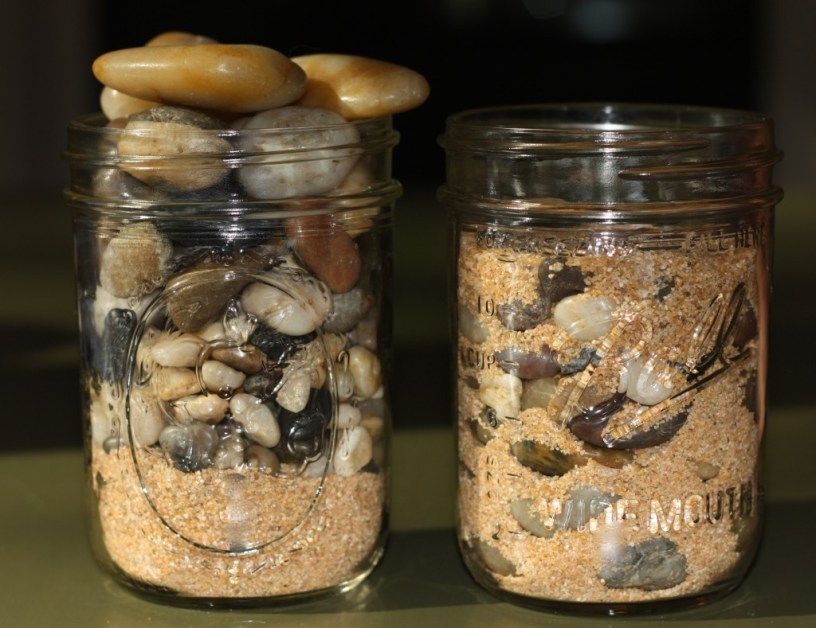
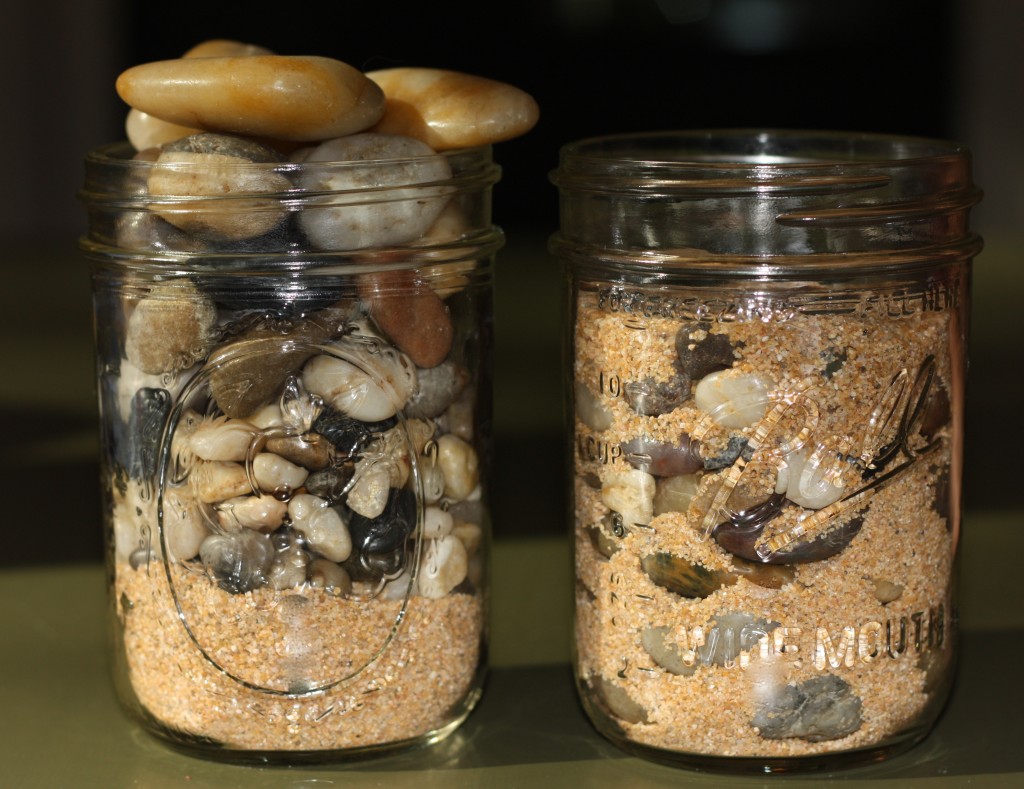
Have you ever seen the illustration of the jar filled with rocks, pebbles, and sand?

Imagine your life is that jar. The big rocks represent the most important things – your highest priorities. The pebbles are also good and meaningful, but not as essential. And the sand is everything else – the extra, the fluff, the distractions.

If you fill the jar with sand first, there’s no room left for the rocks and pebbles. But if you start with the big rocks, then add the pebbles, the sand can still sift in and fill the gaps.

rock-pebbles-sand

This visual reminds me daily: if I don’t make space for the most important things, they’ll get crowded out by everything else.

For me, the big rocks are:

  • Spending meaningful time with my family and teaching my children
  • Being in God’s Word and prayer
  • Staying connected to my church community

These take top priority. They get first place in my schedule.

Next comes my pebbles. For me, they include things like mentoring and coaching other women, exercising, preparing healthy meals, getting enough rest, and quiet moments of reflection—still very needed, but not as foundational as the big rocks.

Then there’s the sand. In my life these include gardening, reading, traveling, hobbies, social media. These are enjoyable and can even be fruitful in their own way, but they aren’t the foundation my life should be built on.

The point isn’t to avoid the sand altogether—it’s to make sure the rocks and pebbles are firmly in place first.

Take note that for the Christian life, the small pebbles and even all the sand particles are still beneficial, good things. I’m not advocating for making room in your life for any unfruitful endeavors or unhealthy leisure activities. Your rocks, pebbles and sand will be different than mine, and that is fine and good, but all the things we are filling our jar with should be beneficial things.  And then out of those good things, we need to prioritize.

This reminds me of the story of Mary and Martha in the Bible. Martha was busy with “good things”. She was rushing around trying to get some food together to serve Jesus. She had invited him in, so of course she wanted to be hospitable. It seems noble and good to serve Him some food, as He is a guest in her home after all. But sadly, she missed out on the most important thing – sitting at the feet of Jesus.

Luke 10:38 Now as they went on their way, Jesus entered a village. And a woman named Martha welcomed him into her house. 39 And she had a sister called Mary, who sat at the Lord’s feet and listened to his teaching.40 But Martha was distracted with much serving. And she went up to him and said, “Lord, do you not care that my sister has left me to serve alone? Tell her then to help me.” 41 But the Lord answered her, “Martha, Martha, you are anxious and troubled about many things, 42 but one thing is necessary. Mary has chosen the good portion, which will not be taken away from her.”

I can relate to Martha in this story, because each day, there are so many activities clamoring for my attention. It’s easy to get caught up in the busyness, and forget the most important things. It’s tempting to turn on my phone and check facebook “just for a few minutes” before reading my Bible. But if we spend time on our “sand” first, then what so often happens is that we end up filling up all of our time with sand and leave out the rocks and pebbles of the most important things. Facebook is not necessarily wrong to spend time on in and of itself, but if it is taking the place of the more important things, then it’s got to get out of the jar until the rocks and pebbles are in place.

There are so many wonderful things we can spend our time on in this life. Good things, beautiful things, helpful things, fruitful things. But we must not fill our jar with so much sand that we miss out on the rocks and pebbles.

So take a moment to reflect:

  • What are your big rocks?
  • Do your days reflect those priorities?
  • Are the most important things getting your best time and energy?

List out your “to-do’s”, and make sure that the most important things get done before spending time on your not-so-important ones. Rocks before pebbles, and pebbles before sand.

I will never have enough time on this earth to do all that I want to do. Too many places to go, things to do, ideas to explore. But we all have time for the most important things.

Mark 12:28-31: “Which commandment is the most important of all?” 29 Jesus answered, “The most important is, ‘Hear, O Israel: The Lord our God, the Lord is one.30 And you shall love the Lord your God with all your heart and with all your soul and with all your mind and with all your strength.’ 31 The second is this: ‘You shall love your neighbor as yourself.’ There is no other commandment greater than these.”

Be fruitful, healthy, happy. Intentional.

And get those big rocks in the jar first.